

Spirulina Smoothie Recipe
(Energizing Superfood Green Smoothie)
If your smoothie routine has gone a little stale, Spirulina is the upgrade worth trying. This deep blue-green algae has been a staple in health food circles for decades, and lately it’s having a real moment on American grocery shelves and wellness feeds alike. One spoonful turns an ordinary banana smoothie into a vibrant, nutrient-dense breakfast that actually keeps you full.
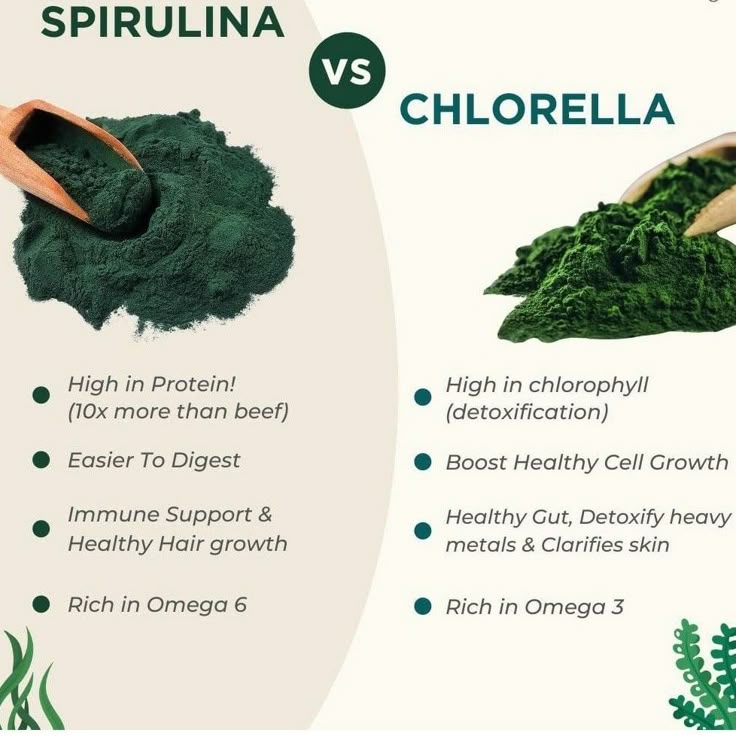
Americans have gravitated toward Spirulina because it checks a lot of boxes at once:
- it’s plant-based,
- it fits keto, vegan, and gluten-free lifestyles.
- it delivers a concentrated dose of protein and micronutrients without a long ingredient list.
- It’s especially popular in the spring and summer months, when green smoothies and detox-style drinks trend upward, but honestly, this one earns a spot in the rotation year-round.
This recipe is built for real mornings. It comes together in five minutes, uses ingredients you can find at any regular grocery store, and — unlike a lot of spirulina recipes online — it’s specifically balanced so the algae flavor doesn’t overpower the drink. That’s the biggest complaint people have with spirulina smoothies, and this version solves it with: (ripe banana, citrus, and a touch of natural sweetness.)
This smoothie is perfect for anyone easing into superfood powders, busy professionals who want a grab-and-go breakfast, and anyone looking to add more plant-based iron and antioxidants to their day.
Quick Recipe Information
Prep Time: 5 minutes
Cook Time: 0 minutes
Total Time: 5 minutes
Servings: 2 (about 16 oz each)
Calories: ~180 per serving
Difficulty: Easy
Cuisine: American
Course: Breakfast, Snack
Diet: Vegetarian, Vegan, Gluten-Free, Dairy-Free (with plant milk)
Equipment Needed: Blender, measuring cups/spoons, tall glass
Why You’ll Love This Recipe
1. Ready in 5 minutes with no cooking required
2. Naturally sweetened with banana and pineapple, no added sugar needed
3. Packed with plant-based protein, iron, and antioxidants
4. Easily customizable for high-protein, low-carb, or kid-friendly versions
5. Great make-ahead breakfast for busy weekday mornings
6. Budget-friendly compared to store-bought smoothies
7. Vibrant green color that actually looks appetizing (not swampy)
8. One of the easiest ways to work a superfood powder into your daily routine
Ingredients
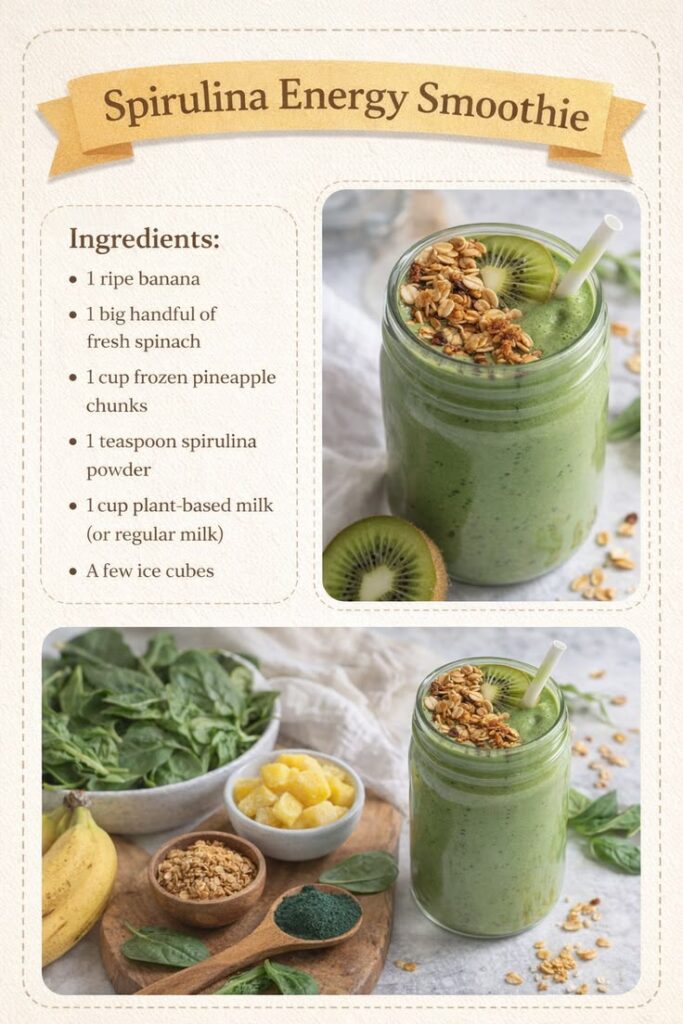
1 medium ripe banana (fresh or frozen)
1 cup fresh spinach, packed
1 teaspoon spirulina powder (about 3 g)
1/2 cup pineapple chunks, fresh or frozen (120 g)
1 cup unsweetened almond milk (240 ml), or milk of choice
1/2 cup plain Greek yogurt (120 g)
1 tablespoon honey or maple syrup, optional
1/2 cup ice cubes (if using fresh, not frozen, fruit)
1/2 medium lemon or lime, juiced
Instructions
1. Add the liquid first:
Pour the almond milk into the blender base. Adding liquid before solids helps the blades catch everything and blend smoothly.
2. Layer in the soft ingredients:
Add the banana, pineapple, spinach, and Greek yogurt.
3. Add the spirulina and citrus juice:
Sprinkle in the spirulina powder and squeeze in the lemon or lime juice.
4. Blend on high for 45–60 seconds:
Blend until completely smooth. Stop and scrape down the sides if needed. The smoothie should be thick, pourable, and a deep, even green with no flecks of spinach visible.
5. Taste and adjust:
If the spirulina flavor is too strong, blend in a few more pineapple chunks or a bit more honey. If it’s too thick, add a splash more almond milk.
6. Pour and serve immediately:
Pour into glasses and enjoy right away for the best texture and nutrient retention.
Pro Tips:
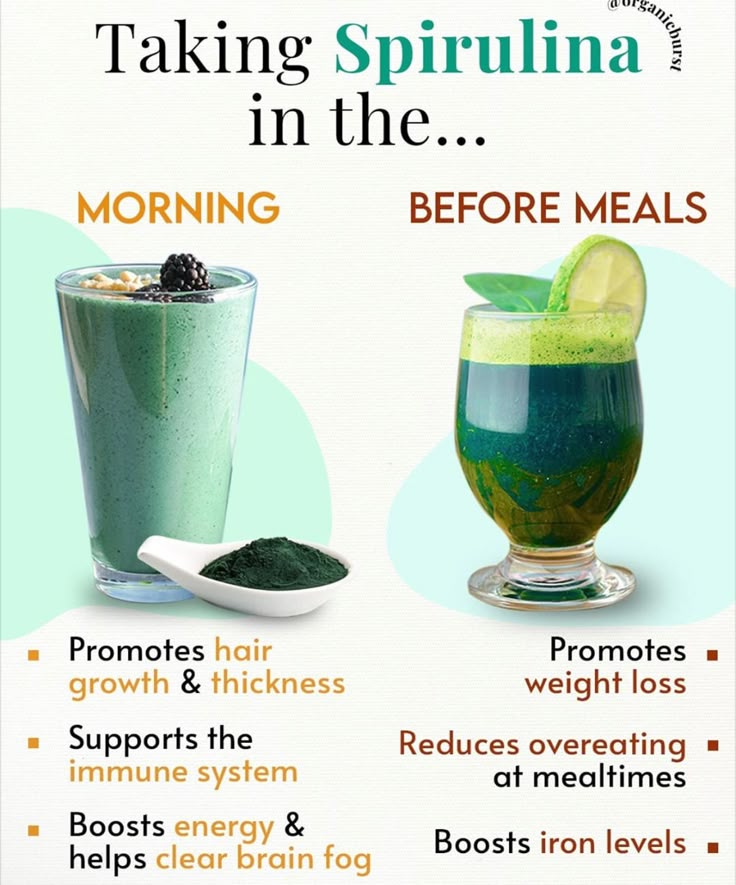
- Blend… spirulina with strong-flavored fruit like pineapple, mango, or citrus — it masks the taste far better than mild fruits like apple.
- Add… spirulina toward the end of blending rather than the very first ingredient, so you can control the intensity as you taste.
- Use… a high-speed blender if you have one; it breaks down the spinach fully so you don’t get a grainy texture.
Common Mistakes to Avoid:
1. Adding.. too much spirulina at once — it has a strong, distinct taste that can overwhelm a first-timer’s smoothie.
2. Skipping.. the citrus — it does a lot of work balancing the flavor.
3. Using.. overripe, brown spinach, which can taste bitter.
Variations
Healthy Version:
Use unsweetened plant milk and skip the added sweetener; let the fruit carry the sweetness.
High-Protein Version:
Add 1 scoop of vanilla protein powder or 2 tablespoons of nut butter.
Low-Carb Version:
Swap banana for 1/2 an avocado and use a low-carb sweetener like stevia.
Dairy-Free Version:
Use coconut yogurt instead of Greek yogurt.
Vegan Version:
Use coconut or almond yogurt and maple syrup instead of honey.
Gluten-Free Version:
This recipe is naturally gluten-free as written — just double-check your spirulina brand for cross-contamination labeling.
Kid-Friendly Version:
Use less spirulina (1/2 teaspoon), more pineapple, and a splash of orange juice for a milder, sweeter flavor.
Spicy Version:
A small pinch of cayenne or grated ginger adds warmth and a metabolism-boosting kick.
Serving Suggestions
Pair this smoothie with:
- a slice of whole-grain toast with almond butter,
- a handful of overnight oats,
- or a hard-boiled egg for extra staying power.
- It also works well alongside a light avocado toast for a full, balanced breakfast.
- For toppings: try a sprinkle of chia seeds, hemp hearts, or granola on top if serving in a bowl instead of a glass.
Storage & Reheating
Refrigerator:
Store in an airtight jar for up to 24 hours.Shake or stir well before drinking, as separation is normal.
Freezer:
Pour into ice cube trays or freezer-safe cups and freeze for up to 1 month. Blend frozen cubes with a splash of milk for a quick smoothie later.
Meal Prep Tip:
Pre-portion the banana, spinach, and pineapple into freezer bags. In the morning, just add liquid, yogurt, and spirulina, then blend.
Reheating:
Not applicable — this smoothie is served cold.
Shelf Life:
Best consumed fresh; quality and nutrient content decline after 24 hours refrigerated.
Expert Tips
1.Always start with less spirulina than you think you need — you can add more, but you can’t take it out.
2.Use frozen fruit instead of ice to avoid a watered-down texture.
3. A high-speed blender gives the smoothest results with leafy greens.
4. Citrus juice is your best friend for balancing spirulina’s flavor.
5. Store spirulina powder in a cool, dark place to preserve potency.
6. Add healthy fats like nut butter or avocado to help the body absorb fat-soluble nutrients.
7. Rotate in different fruits (mango, berries, papaya) to keep the flavor interesting.
8. Blend spinach and liquid first for the smoothest base before adding spirulina.
9. Taste before adding sweetener — the fruit may already be sweet enough.
10. Drink it soon after blending, since some nutrients degrade with time and air exposure.
11. If you’re new to spirulina, introduce it a few times a week rather than daily at first.
12. Keep a small kitchen scale handy for consistent powder measurements.
13. Use a reusable straw or wide-mouth glass — the color makes it fun and shareable.
Common Mistakes
Too much spirulina, too soon:
This overwhelms the flavor and can cause digestive discomfort for people not used to it.
Not blending long enough:
Leaves a gritty texture from unblended spinach or powder clumps.
Skipping the acid component:
Citrus juice significantly improves the final taste.
Using warm liquid:
This can make the smoothie less refreshing and cause faster separation.
Health Benefits
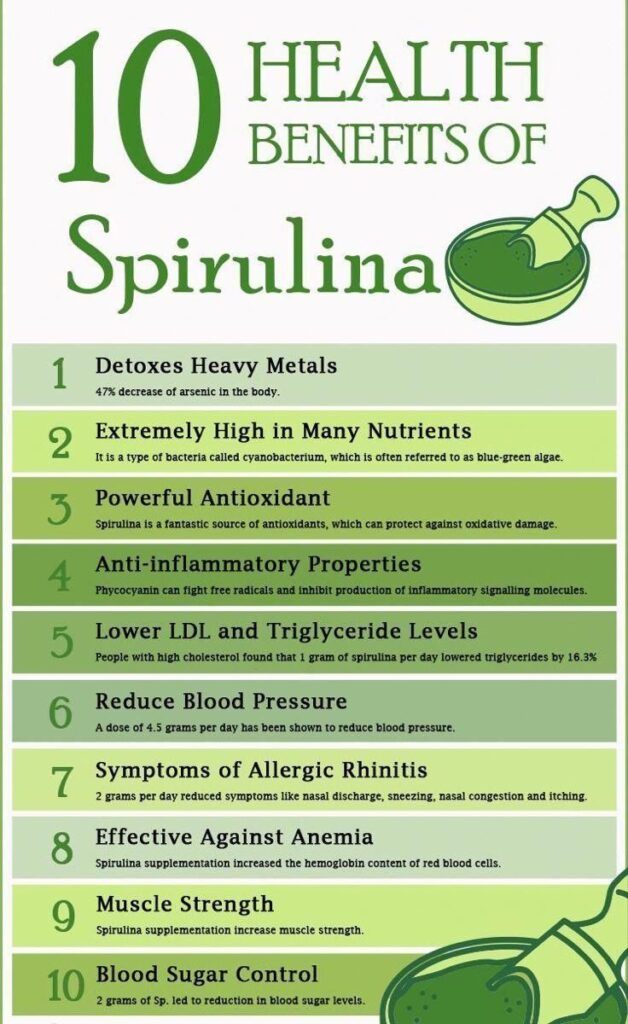
Spirulina is a blue-green algae (technically a cyanobacterium) that has been studied for its nutrient density and antioxidant content. According to the NIH Office of Dietary Supplements, Spirulina is a source of
- Protein
- VitaminsB
- Iron
- and it contains Phycocyanin
- a pigment-protein compound with Antioxidant properties.
Protein:
Spirulina contains a notable amount of protein per gram compared to many plant foods, though the small serving sizes typically used mean it contributes a modest amount overall.
Iron:
It provides plant-based iron, which can help support those following vegetarian or vegan diets.
Antioxidants:
Phycocyanin has been studied for its potential role in reducing oxidative stress in the body.
Spinach:
Adds folate, vitamin K, and additional iron to this smoothie.
Banana and pineapple:
Provide potassium, vitamin C, and natural fiber.
It’s worth noting that spirulina supplements aren’t regulated as strictly as pharmaceuticals in the U.S., so sourcing from a reputable brand matters. People with autoimmune conditions, phenylketonuria, or those on blood thinners should talk to a doctor before regularly using spirulina, per guidance from the Cleveland Clinic.
Nutrition Information
Calories: 180 kcal
Protein: 8 g
Carbohydrates: 30 g
Fat: 3 g
Saturated Fat: 0.5 g
Fiber: 4 g
Sugar: 18 g
Sodium: 65 mg
Cholesterol: 5 mg
Potassium: 550 mg
Vitamin A: 45% DV
Vitamin C: 60% DV
Calcium: 15% DV
Iron: 15% DV
(Values are estimates and will vary based on specific brands and substitutions used.)
Frequently asked questions FAQS
Is it okay to put spirulina in a smoothie?
Yes, blending spirulina into a smoothie is one of the most common and palatable ways to consume it, especially paired with strong-flavored fruits.
How much spirulina should I take daily?
Many people start with about 1 teaspoon (roughly 3 grams) per day. It’s best to check with a healthcare provider for guidance specific to your needs.
Does a spirulina smoothie taste bad?
On its own, Spirulina has a strong, earthy, slightly ocean-like taste. Pairing it with pineapple, banana, and citrus, like in this recipe, largely masks that flavor.
What can I mix with spirulina to hide the taste?
Pineapple, mango, citrus juice, and vanilla-flavored protein powder are especially effective at balancing spirulina’s flavor.
Is spirulina better than protein powder?
They serve different purposes. Spirulina offers a broader micronutrient profile, while protein powder typically provides a more concentrated protein dose. Many people use both together.
Can I use frozen spinach instead of fresh?
Yes, frozen spinach works well and blends easily; just thaw slightly or blend a bit longer.
Can kids drink spirulina smoothies?
In small amounts and with a mild flavor profile (like the kid-friendly variation above), many families do include it, but check with a pediatrician first.
How long does spirulina powder last once opened?
Typically 1–2 years if stored in a cool, dry, dark place, though always check the manufacturer’s guidance.
Can I make this smoothie ahead of time?
It’s best fresh, but you can pre-portion the fruit and greens the night before and blend with liquid and spirulina in the morning.
Does spirulina interact with medications?
It may interact with immune-suppressing medications or blood thinners. Talk to your doctor if you take prescription medications regularly.
Is spirulina vegan?
Yes, spirulina itself is a plant-based algae and is vegan-friendly.
Can I use spirulina tablets instead of powder?
Powder blends more evenly into smoothies; tablets would need to be crushed first.
Expert Notes
Success Tip:
The key to a good-tasting spirulina smoothie is balance — pair it with bold, sweet fruit and a splash of acid.
Make-Ahead:
Pre-portion smoothie packs (fruit + spinach) in freezer bags for grab-and-go mornings.
Batch Cooking:
Double or triple the recipe and freeze in individual smoothie packs for the week.
Freezing Tip:
Freeze the blended smoothie in ice cube trays, then blend a few cubes with fresh milk anytime for a quick single serving.
Final thoughts
This spirulina smoothie proves that a superfood ingredient doesn’t have to taste like one. With the right balance of fruit, citrus, and creaminess, it’s an easy, energizing way to start the day. If you give this recipe a try, I’d love to hear how it turned out — leave a rating and a comment below, and share this recipe with anyone who’s been curious about spirulina but hasn’t taken the leap yet!